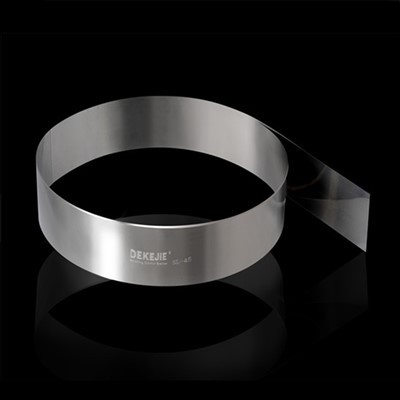
Hey there! As a supplier of Standard Carbon Steel Doctor Blades, I've been getting a lot of questions lately about the effects of magnetic fields on these blades. So, I thought I'd write this blog to share what I've learned over the years in the industry.


First off, let's talk a bit about what a Standard Carbon Steel Doctor Blade is. It's a key component in many printing and coating processes. It's used to remove excess ink, paint, or other substances from a surface, ensuring a clean and even finish. We offer different types of carbon steel doctor blades, like the Enhanced Carbon Steel Doctor Blade and the Economical Carbon Steel Doctor Blade. And if you've got a 150M/min printing machine, we've got the Doctor Blade for 150M/min Printing Machine for you.
Now, let's dive into the effects of magnetic fields on these blades. Carbon steel is ferromagnetic, which means it can be affected by magnetic fields. When a magnetic field is applied to a Standard Carbon Steel Doctor Blade, several things can happen.
One of the most noticeable effects is magnetization. The blade can become magnetized, which means it will attract ferromagnetic particles in the surrounding environment. In a printing or coating process, this can be a big problem. If the blade attracts small metal particles or other ferromagnetic debris, it can cause scratches or unevenness on the surface being printed or coated. This can lead to poor print quality or coating defects, which is definitely not what you want.
Another effect is the change in the blade's mechanical properties. Magnetic fields can induce stresses in the steel. These stresses can affect the blade's hardness, flexibility, and wear resistance. For example, if the blade is exposed to a strong magnetic field for a long time, it might become more brittle. This can increase the risk of the blade breaking or chipping during use, which can disrupt the production process and lead to additional costs for replacement.
The magnetic field can also affect the blade's performance in terms of its cutting edge. A sharp and consistent cutting edge is crucial for a doctor blade to work effectively. But when the blade is magnetized, it can cause the cutting edge to attract debris, as I mentioned earlier. This can dull the edge more quickly, reducing the blade's lifespan and requiring more frequent replacements.
In some cases, the magnetic field can also cause the blade to vibrate. This vibration can be due to the interaction between the magnetic field and the electrical currents induced in the blade. The vibration can lead to uneven contact between the blade and the surface, resulting in inconsistent removal of the excess material. This can cause streaks or other defects in the printed or coated product.
So, how can you deal with these issues? Well, the first step is to minimize the exposure of the blades to magnetic fields. If possible, keep the blades away from strong magnetic sources in the production environment. This might mean relocating equipment or using magnetic shielding to protect the blades.
Another approach is to demagnetize the blades regularly. There are demagnetizing devices available that can remove the residual magnetism from the blades. By demagnetizing the blades, you can reduce the risk of attracting debris and improve the blade's performance and lifespan.
When it comes to choosing the right doctor blade for your application, it's important to consider the potential magnetic field exposure. If your production environment has a high level of magnetic fields, you might want to look into special coatings or treatments for the blades that can reduce their susceptibility to magnetization.
As a supplier, I understand the importance of providing high - quality doctor blades that can perform well in various conditions. That's why we're constantly researching and developing new products to address these challenges. Our Enhanced Carbon Steel Doctor Blade, for example, is designed to have better resistance to wear and tear, which can help mitigate some of the problems caused by magnetic fields.
If you're in the market for Standard Carbon Steel Doctor Blades and are concerned about the effects of magnetic fields, don't hesitate to reach out. We can offer you expert advice on choosing the right blade for your specific needs and help you implement strategies to minimize the impact of magnetic fields on your production process. Whether you need a blade for a high - speed printing machine or a more general coating application, we've got you covered.
In conclusion, magnetic fields can have significant effects on Standard Carbon Steel Doctor Blades. From magnetization and changes in mechanical properties to performance issues, these effects can impact the quality of your printed or coated products and the efficiency of your production process. But with the right approach, such as minimizing exposure, demagnetizing, and choosing the right blades, you can overcome these challenges.
If you're interested in learning more about our products or have any questions regarding the effects of magnetic fields on doctor blades, feel free to contact us. We're always here to help you make the best choice for your business.
References
- "Magnetic Properties of Ferromagnetic Materials" - A textbook on the basic principles of magnetism in ferromagnetic materials.
- "Printing and Coating Processes: Best Practices" - A guidebook that covers various aspects of printing and coating, including the use of doctor blades.
- Industry research papers on the performance of carbon steel doctor blades in different environments.